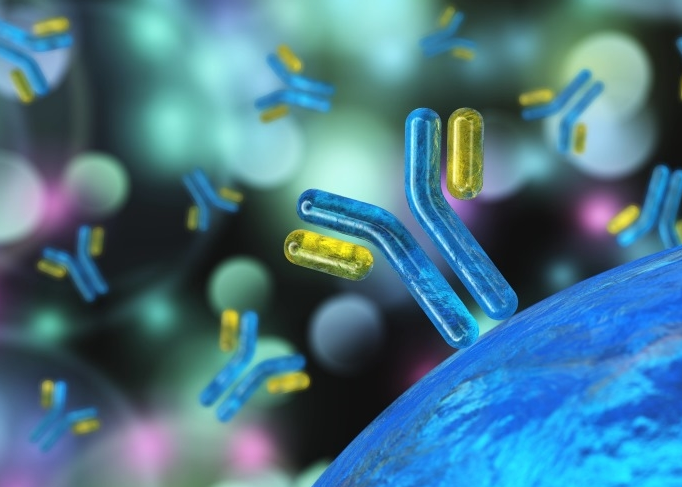
Genetics
Genetics has come a long way since Gregor Mendel introduced his work on peas. Genetic techniques are now used throughout biology, and genetics has an impact on many aspects of life. Gentaur Genetics research frequently uses model systems, which consist of a well-characterized subset of organisms. Many of the Biotechnology Explorer™ modules also use model organisms, for example, the C. elegans Behavioral Kit and the pGLO™ Bacterial Transformation Kit. With these kits, students can gain experiences similar to those found in working research labs.
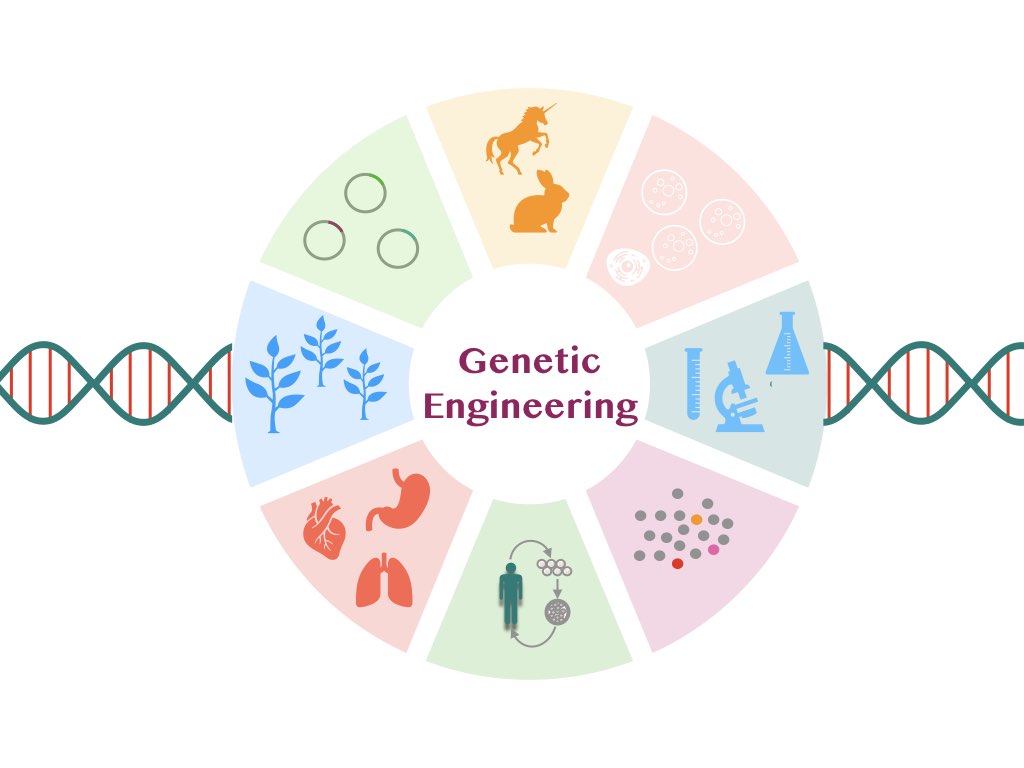
Genetic Engineering Applications
Genetic engineering means the manipulation of organisms to make useful products and has wide applications.
- New DNA can be inserted into the host genome by first isolating and copying the genetic material of interest, using molecular cloning methods to generate a DNA sequence; or by synthesizing the DNA and then inserting this construct into the host organism. Genes can be removed, or “knocked out,” using a nuclease.
- Gene targeting is a different technique that uses homologous recombination to change an endogenous gene and can be used to delete a gene, remove exons, add a gene, or introduce point mutations. Genetic engineering has applications in medicine, research, industry, and agriculture and can be used in a wide range of plants, animals, and microorganisms.
- Genetic engineering has produced a variety of drugs and hormones for medical use. For example, one of its earliest uses in pharmaceuticals was the splicing of genes to make large amounts of insulin from cells of E. coli bacteria. Interferon, which is used to eliminate certain viruses and kill cancer cells, is also a product of genetic engineering, as are tissue plasminogen activator and urokinase, which are used to dissolve blood clots.
- Another byproduct is a type of human growth hormone; it is used to treat dwarfism and is produced through genetically modified bacteria and yeasts. The evolving field of gene therapy involves the manipulation of human genes to treat or cure genetic diseases and disorders. Modified plasmids or viruses are often the messengers that deliver genetic material to the cells of the body, resulting in the production of substances that should correct the disease. Sometimes cells are genetically modified within the body; other times scientists modify them in the laboratory and return them to the patient’s body.
- Since the 1990s, gene therapy has been used in clinical trials to treat diseases and conditions such as AIDS, cystic fibrosis, cancer, and high cholesterol. The drawbacks of gene therapy are that sometimes the person’s immune system destroys cells that have been genetically altered, and also that it is difficult to get the genetic material into enough cells to have the desired effect.
Recombinant DNA Technology Biochemicals
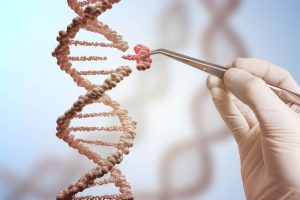
Many practical applications of recombinant DNA are found in human and veterinary medicine, agriculture, and bioengineering. Recombinant DNA technology is the latest biochemical assay to emerge to meet the need for specific DNA segments. In this process, the surrounding DNA of an existing cell is cut into the desired number of segments so that it can be copied millions of times.
Recombinant DNA technology modifies microbial cells to produce foreign proteins, and its success depends solely on the precise reading of equivalent genes created with the help of bacterial cell machinery. This process has been responsible for driving many advances related to modern molecular biology. The last two decades of studies of cloned DNA sequences have revealed detailed knowledge about gene structure as well as its organization.
It has provided clues about the regulatory pathways with the help of which cells control gene expression in countless cell types, especially in those organisms that have a body plan with a basic structure of vertebrae. Recombinant DNA technology, in addition to being an important scientific research tool, has also played a vital role in the diagnosis and treatment of various diseases, especially those belonging to genetic disorders.
Some of the recent advances made possible by recombinant DNA technology are:
1. Protein isolation in large quantities: Many recombinant products are now available, including follicle-stimulating hormone (FSH), Follistim AQ vial, growth hormone, insulin, and some other proteins.
2. Enable identification of mutations: Thanks to this technology, people can easily test for the presence of mutated proteins that can lead to breast cancer, neurofibromatosis, and retinoblastoma.
3. Diagnosis of hereditary disease carriers: Tests are now available to determine if a person is a carrier of the gene for cystic fibrosis, Tay-Sachs diseases, Huntington’s disease, or Duchenne muscular dystrophy.
4. Transfer of genes from one organism to another: Advanced gene therapy can benefit people with cystic fibrosis, vascular disease, rheumatoid arthritis, and specific types of cancer.